Estonia

Final Presentation Online Book

Today we conclude, after an enriching year full of experiences, new friendships, gained handicraft skills and consciousness about sustainable choices and local resources, our HAND project! To finish we presented our Online Book, that contains a summary of all activities – courses and exchanges, in Italy and Estonia with a social presentation and could already transmit the experiences we had to children and adults and awaken the wish for new collaborations and projects.  The Online Book is available here in all three languages. 

Final Presentation Online Book Read More »

Exchange – Visit Estonia June 2025

The 31th of may we finally started our travel to visit our estonian Friends! After taking the airplane in Rome we arrived in the afternoon after 3 hours of flight in Riga, the capital of Lativa.A 30 minutes bus drive brought us to the hotel, which was located in the old town. Everything looks different here – the houses, the shops, the people, the landscape. After a short rest we started to discover the city center – there are many parks, a big river and colorful houses. A local woman that is selling jewelry made of amber recommended us a cheap restaurant for dinner, the food is so different than at home in Italy! A bit tired from the travel we came back to the hotel for another short rest, but there was sunlight till 11 o’clock and an ice cream was a good motivation to go out again. Tired and satisfied we went to bed curious about the days to come! The second day we had time till lunch in Riga to discover more of the city. We were surprised by a traditional city party with a handicraft market, traditional dances and various free workshops! Then it’s time to head to Estonia, a 3 hours drive through forests and meadows. Our friends welcomed us in the school with a traditional smoke sauna experience! After some hesitation all of us entered and enjoyed sitting in the heated wooden hut in the forest. Afterwards we’re ready to sleep, tired from the long journey.The morning after the children of the school arrived around 9 o’clock. We started with a circle to get to know each other’s names and exchange some favorite group games. For playing the language barrier was no problem at all, we even knew the same games. Afterwards the children showed us their workshop results in an exhibition they’ve prepared – ceramics, dream catchers, miniature traditional houses, theater costumes and traditional paper decoration. In the afternoon we decided to go for a little trip to Voru, a small village next to a lake. Even if the sky was grey we enjoyed the beautiful playground and a walk in the village. For the fourth day we planned a workshop exchange. While our kids could participate in a woodwork workshop for building traditional Estonian miniature houses with Hendrik, Bertie offers a bookbinding workshop for the Estonian kids. The wood workshop space is impressive and building is so much fun! In the end we’ve created a small village, where everyone has its own piece of land with a little house, the roof is made of birch tree bark. Once finished we shared lunch with all children and teachers. Afterwards we went to a national park for a little hike in the forest. The trees and plants are different than in our forests in Italy and time flied. Returned back home we had some free play time and dinner in our flat. On our last day in school we had fun singing karaoke all together and learning some breakdance moves with Estonians best break dancer. Before the school closed we all danced together on stage and witnessed the dance performance the Estonian kids planned for a final school event. In the afternoon we went to visit a local handicrafts workshop, where we could see woodwork, hand woven carpets and belts, knitted socks and many more things. Each of us bought a little handmade souvenir. Afterwards we went to a park with an antique traditional farm house, that looked just like the miniature house we’ve build the day before. In the early evening we went to have dinner all together, so much earlier than in Italy! And right afterwards we decided to join a traditional dance evening. A group of young people was playing music with traditional instruments while others were dancing folk. Our last day comes to an end. The morning after we start driving back to Riga to take our flight back. What a beautiful journey with many impressions, but we’re also happy to come back to Italy especially for the good food and warm weather!

Exchange – Visit Estonia June 2025 Read More »

Exchange – Visiting Italy May 2025

In the spring of 2025, ten eager children from Leiutajate Külakool embarked on an unforgettable journey to Italy. The adventure began in Rome, the bustling capital, from where the group traveled to the picturesque town of Pitigliano, nestled in the heart of Tuscany. This trip was not just a vacation; it was an educational and cultural exchange, designed to broaden the children’s horizons and foster international connections. Upon arrival in Pitigliano, a town renowned for its dramatic setting atop volcanic tuff cliffs, the children and their chaperones wasted no time in exploring. The town itself became a living museum, with its narrow, winding streets, ancient architecture, and breathtaking views. They visited several local landmarks, each with its own story and significance. From the historic aqueduct to the ancient synagogue, every corner of Pitigliano offered a glimpse into Italy’s rich past. The children were fascinated by the town’s unique character, shaped by centuries of history and culture. During their exploration of Pitigliano, the children also had the enriching experience of visiting the Museum of Little Jerusalem. This museum offered a deep dive into the town’s unique Jewish history and heritage. Nestled within the historic Jewish quarter, the museum showcases artifacts and documents that tell the story of the Jewish community that thrived in Pitigliano for centuries. The children learned about the traditions, customs, and daily life of the Jewish people who once called this town home. Exhibits included religious objects, historical records, and personal stories that brought the past to life. Walking through the museum, they gained an understanding of how Pitigliano earned its nickname, ‘Little Jerusalem.’ The visit highlighted the town’s role as a place of refuge and tolerance, where different cultures coexisted. It provided a valuable lesson in history, diversity, and the importance of preserving cultural heritage. The children left the museum with a newfound appreciation for Pitigliano’s rich and layered past, enriched by the stories they had encountered within its walls. The second day of the trip was particularly special, centered around a visit to the “Hand” project exhibition. This event was a collaborative effort, organized by Italian partners and showcasing artistic creations. To the delight of the Leiutajate Külakool children, the exhibition included photographs of items they had crafted themselves. This moment of recognition was a highlight, underscoring the international nature of the project. The children had the opportunity to meet and interact with Italian students, fostering new friendships and cultural understanding. Together, they explored the exhibition, discussing the various art pieces and sharing their perspectives. Following the “Hand” project exhibition, the group visited the Farnese folk costume exhibition, housed in the same building. This offered another dimension to their cultural experience, introducing them to the traditional attire of the region and its significance. Later in the day, the group traveled to the scenic Lake Bolsena. The lake, which fills the caldera of an extinct volcano, provided a stunning backdrop for relaxation and play. The children enjoyed the opportunity to run around, engage in games, and simply soak in the natural beauty. As the afternoon turned into evening, they enjoyed a meal of authentic Italian pizza, a treat that was thoroughly appreciated by everyone. The following morning, the focus shifted to exploring the villages surrounding Lake Bolsena and learning about the area’s unique geology. The volcanic origin of the region became a central theme, with discussions about the formation of the lake and the surrounding landscape. The children were introduced to the fascinating geological history of the area, learning about the volcanic activity that shaped the landscape they were now exploring. The exploration continued as they visited several villages nestled along the shores of Lake Bolsena, each with its own charm and character. These visits offered insights into the local way of life and the region’s unique culture. The next leg of the journey took the group to a forest park near the Albero del Tuscia school. Here, a knowledgeable guide led them through the natural surroundings, sharing insights into the local flora and fauna, as well as the area’s history and geology. The guide’s explanations were engaging and informative, making the natural world come alive for the children. Following the park visit, the group was warmly welcomed to the Italian school for lunch. This was another opportunity for intercultural exchange, as the children shared a meal and conversation. A special moment occurred when the children from Leiutajate Külakool sang songs in their native language for their Italian hosts, who in turn shared their own songs. This musical exchange was a touching demonstration of cross-cultural connection and friendship. After lunch, the group embarked on a hike along the Etruscan trails, retracing ancient paths that once connected the region. This hike provided not only physical activity but also a sense of connection to the area’s historical past. In the following days, the adventure continued with visits to the Saturnia hot springs, where the children experienced the therapeutic waters, local hiking trails that offered stunning views of the Tuscan landscape, and the charming towns of Sovana and Sorana, each with its own historical and cultural treasures. On the final evening of their Italian adventure, the Leiutajate Külakool children and their companions enjoyed a farewell dinner at a traditional Tuscan restaurant. The warm and inviting atmosphere of the restaurant perfectly captured the spirit of their trip. The menu featured authentic regional dishes, offering the children a true taste of Tuscany’s culinary heritage. They savored local specialties, experiencing new flavors and ingredients unique to the region. Laughter and conversation filled the air as they recounted the highlights of their journey, from the ancient streets of Pitigliano to the tranquil shores of Lake Bolsena. This final meal was a celebration of the friendships formed and the memories made during their time in Italy. As dinner concluded, a spontaneous and joyful idea arose: a friendly basketball match. The narrow streets of the nearby town of Valentano became their impromptu playing field. Italian and Estonian children alike joined in the game, their laughter

Exchange – Visiting Italy May 2025 Read More »

Dreamcatcher ( ESTONIA)

In this workshop we discovered the deeper meaning of dreamcatcher and created our own piece. At the beginning of the lesson the story of the origin of dreamcatchers was introduced and then discussed with the children what will be the meaning each child is going to give to the decoration.  Before starting the crafting journey, we made a silent meditation circle, closed our eyes and made an endeavor for our decoration.  The children chose the loop made of natural material (made mainly of willow branches) and started weaving a net inside the ring. Various options were shown how to weave a net. Children could choose what kind of net they wished to make. It is incredible how many great ideas children have and how creative they are. If the weaving of the net has gone awry, then the whole work has to be unraveled and redone, which in turn gives the opportunity for a completely new approach.  Once the nets are woven, everyone can choose decorations made of recycled and natural materials to complete their dreamcatcher. The selection of materials includes figurines made of clay, strips cut from recycled cotton fabric, various wooden beads, and bird feathers and pine cones found in the forest. The children’s creations are different and everyone is very dedicated to their work, each dreamcatcher is unique and tells its own story.    

Dreamcatcher ( ESTONIA) Read More »

Comb Ceramics (ESTONIA)

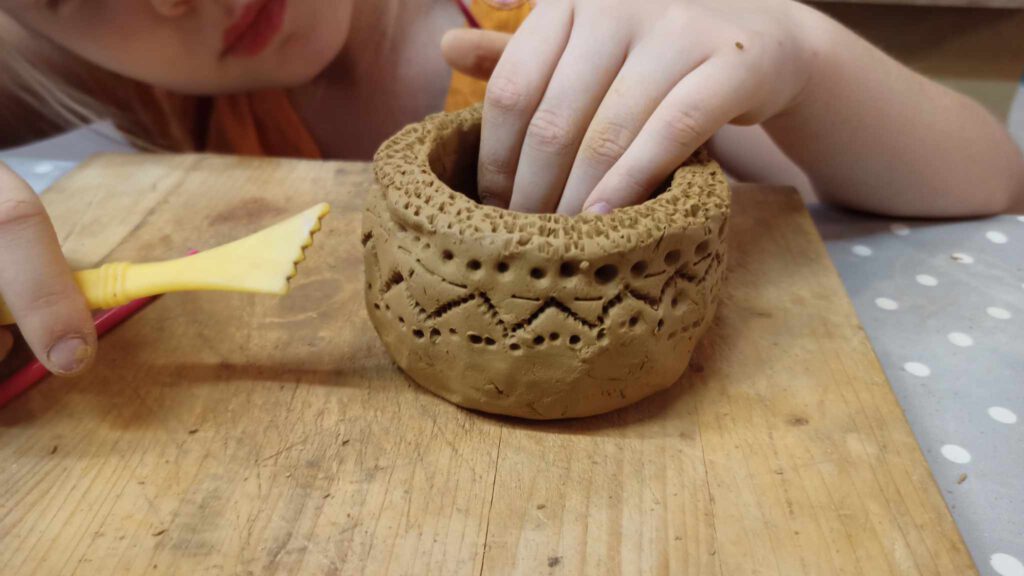
In this workshop we learned the history of Comb Ceramic type of pottery. In the hands-on process we first chose the type and colour of the clay. In ancient times the clay was dark red or brown, depending on the heat of the fire and the type of the clay.   First, we learned how to prepare (wedge) the clay. This means kneading it, kind of like kneading dough, to get rid of air bubbles and make it nice and smooth, because if there are air bubbles, the clay could crack when it’s fired. Next step is shaping the pot. There are a few ways to do it. One way is to start with a ball of clay and use the thumb to make a dent in the middle, then pinch the sides to make the walls of the pot. Another option is to roll the clay into long, thin ropes, and then coil them on top of each other to build up the walls.   Exciting part is creating the comb pattern. We used actual combs and other tools with teeth or edges that can make interesting marks in the clay by pressing the tools into the soft clay to create lines, zigzags, or other designs. Experimenting with different pressures and angles will make different unique patterns. Next step is to let the pots dry. This is very important. If the clay is too wet, it could crack when it’s fired. The final step is firing the pot in a kiln, which is like a very hot oven. This hardens the clay and makes it into ceramic. This is a step that is usually done by the teachers, due to the high temperatures involved. Learning about ancient pottery helps us understand how people lived long ago. The Comb Ceramic culture, also known as Pit-Comb Ware was widely distributed in Estonia, already from 3900–1750 BC. Pottery from that time often had pointed or rounded bottoms, perfect for storing food and liquids. For decoration, comb-like tools were historically used for decoration. The patterned decoration, or “writing,” may have been intended to ward off evil and protect food. Families or communities had different patterns and also represented the wealth of the family or tribe.  Children enjoyed the workshop and found it a calming and relaxing process combined with fascinating stories from the past traditions.    

Comb Ceramics (ESTONIA) Read More »

Shingle Roof Workshop (ESTONIA)

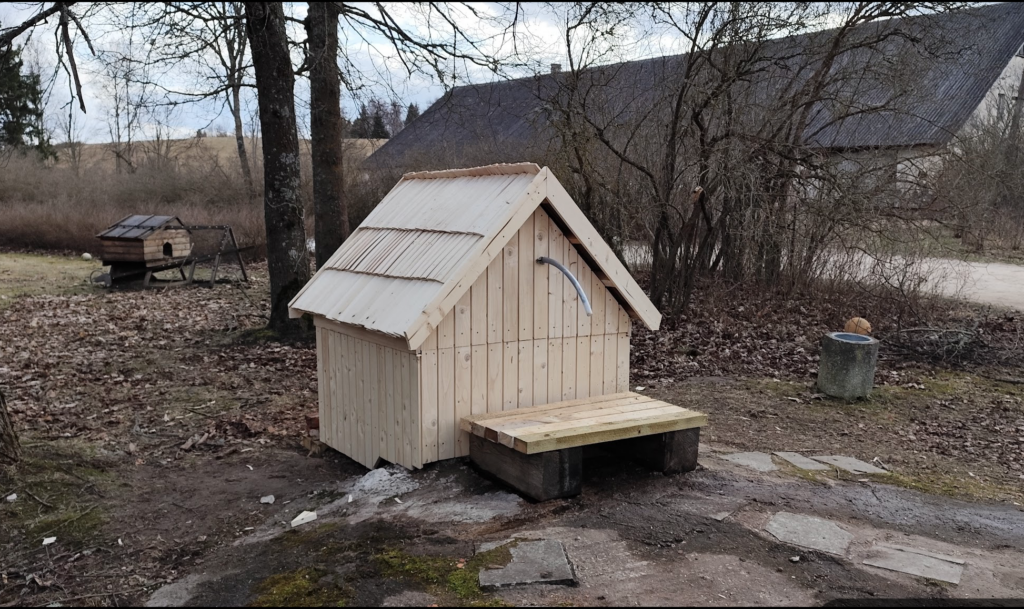
In the workshop, we learned how to craft a roof from natural wood shingles. The children got to try their hand at cutting and installing shingles themselves. The instructor demonstrated how to place the shingles at the correct angle to make the roof watertight. We used traditional tools like hammers and nails to securely fasten the shingles. Each child built a small model roof that they could take home. We learned which types of wood are best suited for a shingle roof. We talked about how a shingle roof changes over time and what maintenance it requires. Through a fun game, we learned the different parts of a roof and their names. Together, we admired the beauty and naturalness of the finished shingle roof. The children left the workshop with new skills and knowledge of traditional crafts. In Estonia, shingle roofs have a long history, being a traditional roofing material, especially in rural areas. The skills of building shingle roofs have been passed down from generation to generation, thereby preserving a valuable cultural heritage.  

Shingle Roof Workshop (ESTONIA) Read More »

Flying Carpets (ESTONIA)

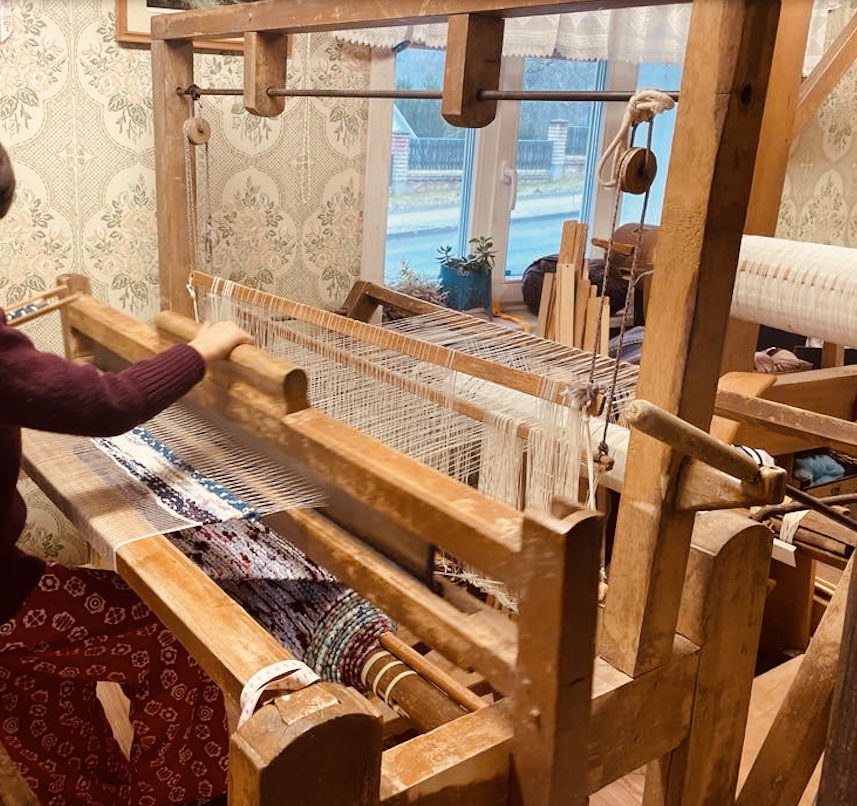
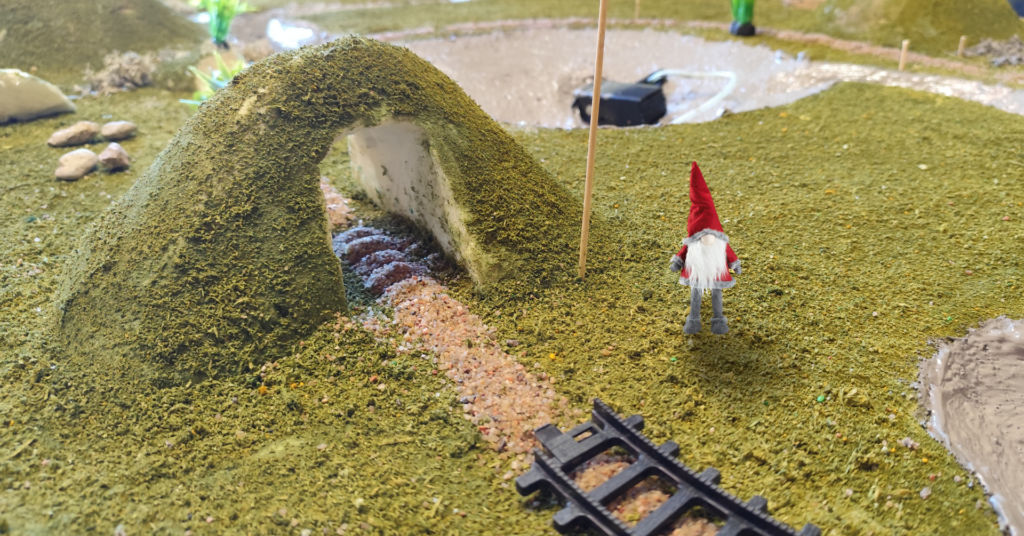
In this workshop we entered the world of traditional weaving with wooden framed looms. Estonian weaving has a long and vibrant history, with each region having its own unique patterns and styles. Weaving wasn’t just a skill; it was a way to express creativity and keep traditions alive. Patterns and designs often had special meanings and they were passed down from generation to generation. Children made carpets on small looms and bigger looms.  The process of setting up the Loom: First we got a whole bunch of threads ready. These are called the warp threads. They are like the backbone of the fabric and will run lengthwise. These warp threads needed to be carefully measured and wound onto a special part of the loom called the warp beam.   Then, each warp thread is threaded through tiny holes in things called heddles and then through a reed. The reed helps to keep the threads evenly spaced. This part can take a little while and needs to be done carefully and patiently! First the recycled fabric strips were chosen and with the help of the teacher the strips were tied to looms and then the fun part started. Then started the fun part of weaving. Children chose the recycled fabric strips for weft threads. These ran across the width of the fabric, going in and out of the warp threads. (The weft thread is wound onto a shuttle, which is like a little boat that you pass back and forth through the raised and lowered warp threads.) Every time you pass the shuttle with the weft thread across, you use a part of the loom called the beater to gently push the new weft thread into place, making the fabric nice and tight.  Kids enjoyed the process and said it is a very focused and fun and also social activity. It’s a great way to be creative and make something beautiful with your own hands. It is also a great way to learn about the history of how people used to make their own clothes and textiles. It’s like making art with threads, and it’s a skill that people have been using for thousands of years. As in old times people used to sing during working, we were also singing old folk songs to make the workshop feel even more like traveling back in time to our ancestors. Wonderful mini “flying” carpets were made for their other project called “miniature-world”. Looms will be placed in the school hall for everyday use.    

Flying Carpets (ESTONIA) Read More »

Christmas Decoration made of Clay (ESTONIA)

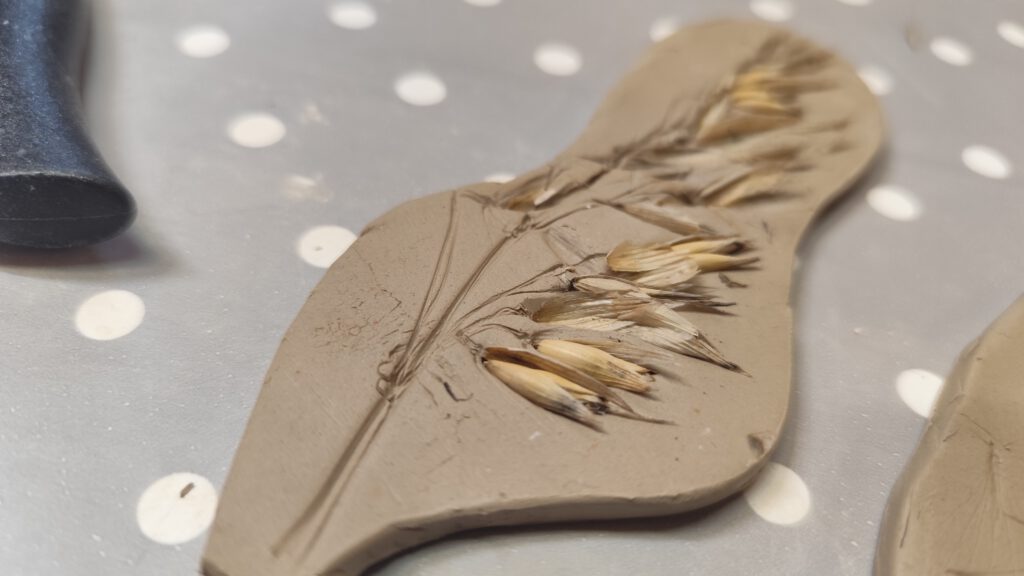
The second part of making christmas decorations was inspired from our love for pottery making. As Christmas was approaching we wanted to add more decorations to beautiful paper angels and stars. Hands-on process: First we squished the clay and rolled it around in our hands for a little while to make it softer and easier to work with, then we put the clay on a smooth surface (cutting board) and used our rolling pins to roll it out until it’s about as thick as a cookie.  Then we used cookie cutters and gently pressed them into the clay.  Once we had pressed the cutter into the clay, carefully used a knife or sharp tool to cut around the edges. Then every person used their imagination and fantasy to add decorations or letter molds to write their own or friends name. Also wheat grains or pearls or other elements were pressed into clay. Next step was to poke a small hole near the top of each clay shape for putting string or ribbon later to hang it up. Final step was to leave the shapes out in the air to dry overnight.  The feeling during the workshop was joyful, relaxing, very creative and even meditative for some.

Christmas Decoration made of Clay (ESTONIA) Read More »

Traditional Paper Christmas Decorations (ESTONIA)

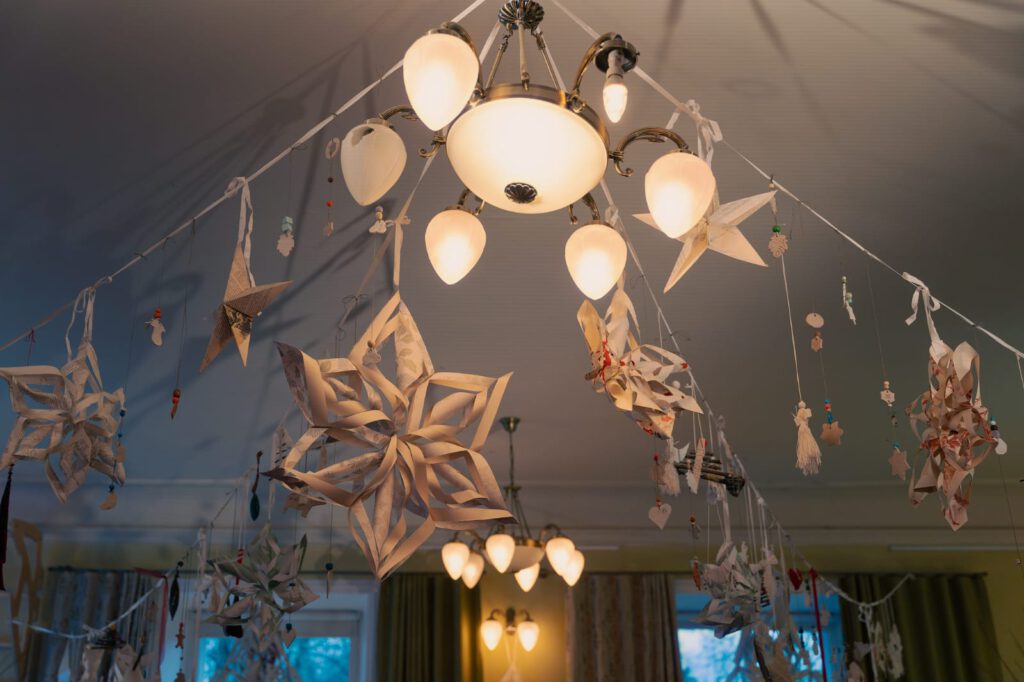
People in Estonia have been making paper decorations for celebrations for centuries. In this workshop children wanted to experiment with different types of paper. Firstly, a lot of different paper (old books, wallpaper etc.) was gathered. Also thread, scissors, hot glue gun, needles and other tools were used. Angels, stars and snowflakes from paper (different textures and patterns) were created. For example angel’s wings were made out of paper, the body and the dress out of strings and the head from wooden pearls. Old book pages and plain paper were used for making stars. Lot of folding and cutting was done and a lot of glue was used. Enormous snowflakes appeared from wallpaper roles. The whole workshop was peaceful, fun and relaxing and the school hall turned into a magical place.

Traditional Paper Christmas Decorations (ESTONIA) Read More »